
How To Use Reference Photography
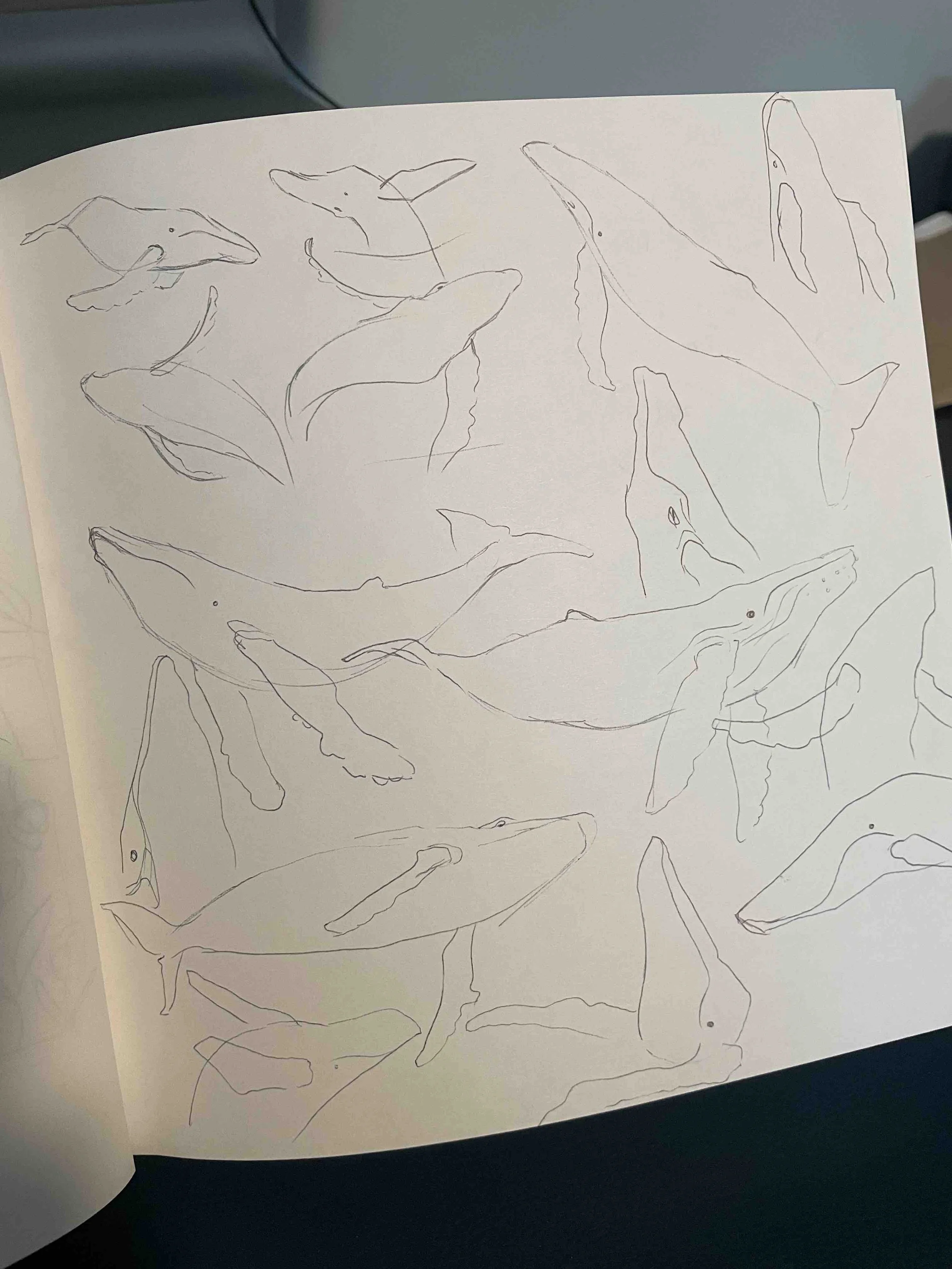
Sketchbook Whales
No matter how many times I study photos of humpback whales, their bodies never make sense to me. And, no, seeing how their skeletons work does not help.
Using photography for reference is a way to gain understanding of the things you’re representing. Unless you have taken the photo yourself, or have express permission from the photographer, photographs should not be transcribed into drawings. A photo—even just part of its composition, like the pose its subject takes—holds its own copyright!
To make sure you’re not simply copying photos, here’s a useful approach: Work out the composition of the illustration in your sketchbook before looking for reference. Once you have that sorted, gather your reference imagery for the parts that need to be accurate. Or for moments when you realize you just don’t know what a blender looks like off the top of your head.
I make many sketches unrelated to my composition so I can wrap my head around the subject. If you need to understand something specific, like how a giraffe’s leg bends, then explore that specific part of your reference through a series of focused sketches.
While you’re working on fixing your initial compositional drawing based on your new knowledge, put your reference imagery away! No peeking! You can work from small parts of your sketches, but cobble a variety of bits together to create something that works for your initial vision.
If you’re lucky enough to have cool reference photography that you shot yourself, try to apply these techniques anyway. I know I never got anywhere creatively by simply copying a photo.
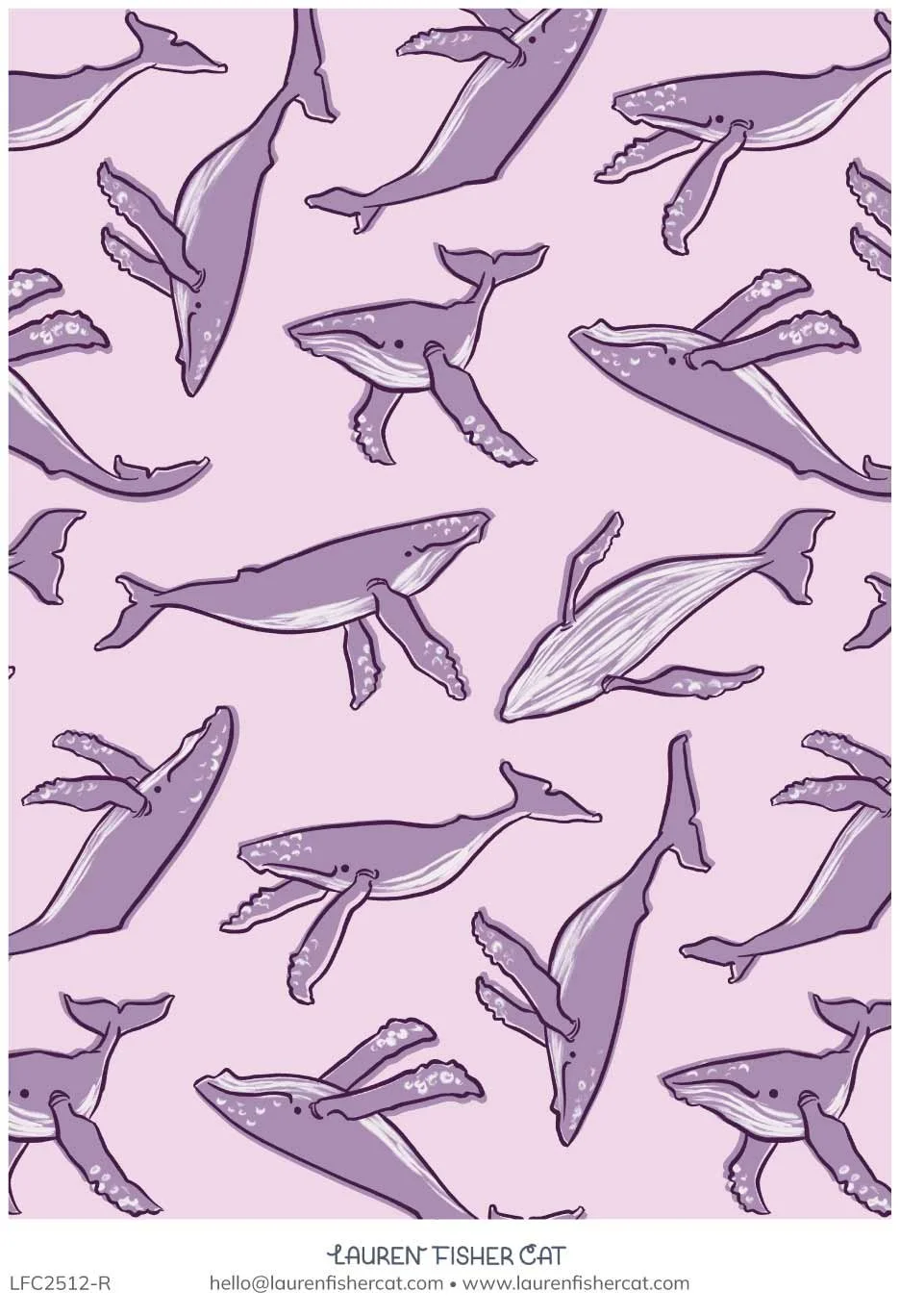
Finished Artwork
My rendition of humpback whales ended up extra squishy-looking. I love you, chibi whales.